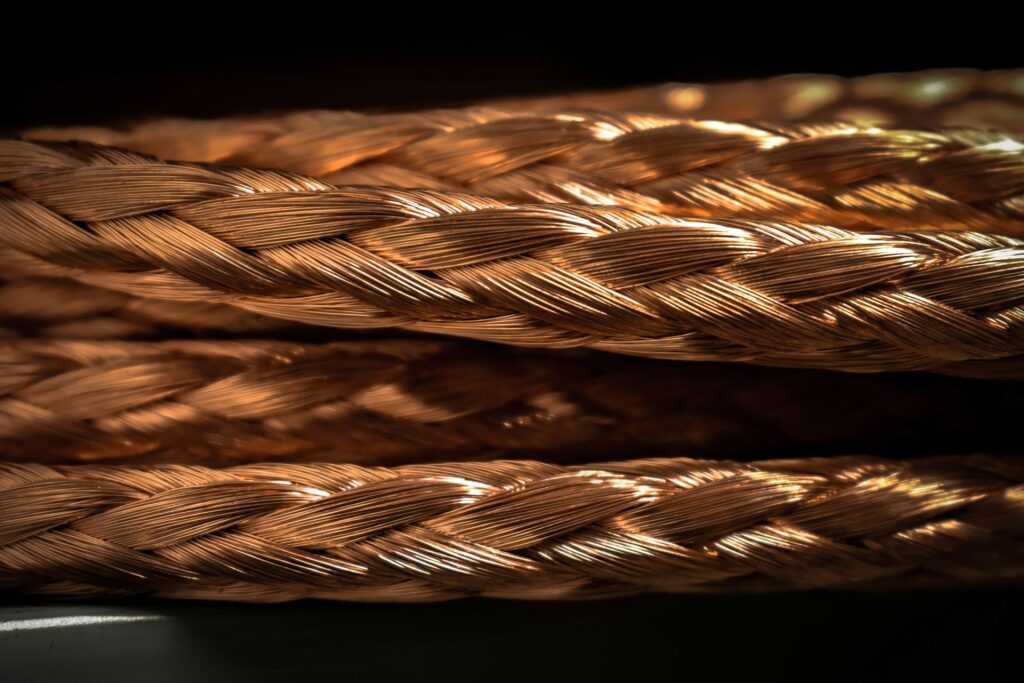
Copper is a vital resource. It powers our modern world. We use it in almost everything. It is in our homes, our cars, and our smart devices. However, mining new copper takes a heavy toll on the environment. It uses massive amounts of water and energy. It also creates significant carbon emissions. Because of this, the world is looking for better ways to get this essential metal.
Recycling copper scrap is the perfect solution. It uses up to 85 percent less energy than mining new material. Furthermore, copper does not lose its quality when you recycle it. You can recycle it again and again. This makes it a perfect material for the circular economy.
In this blog post, we will explore the different types of recycled copper. We will look at the best applications of recycled copper scrap. We will also discuss European Union regulations. Finally, we will show you how AI and automation improve this process. We will look at how the APT Platform helps businesses achieve true circularity.
The European Union has strict goals for the future. The European Green Deal aims to make Europe climate-neutral by 2050. To reach this goal, Europe needs renewable energy. Wind turbines, solar panels, and electric vehicles all require massive amounts of copper.
Because of this high demand, the EU created the Critical Raw Materials Act. This act lists copper as a strategic raw material. Europe currently relies too much on imports for its copper supply. The EU wants to change this. They want to increase domestic recycling. They want more secondary materials in the market.
Regulations now push companies to prove their materials are sustainable. Businesses must track their carbon footprint. They must show where their materials come from. This tracking can be very hard to do manually. Companies need digital tools to stay compliant. They need systems that understand these complex new rules. You can learn more about how to navigate these rules on our Circular Policy page.
Before we look at the applications, we must understand the materials. Recycled copper comes in many forms. The recycling industry categorizes these forms based on purity.
This is the highest quality of copper scrap. It is unalloyed and uncoated. The most famous type is “Millberry” copper. This is clean, bare copper wire. It has a shiny appearance. It is highly valuable because it requires very little processing. You can melt it down and use it immediately.
This grade is slightly lower in quality. It is still unalloyed copper. However, it might have a burned or oxidized appearance. It might have small amounts of tin or lead coating. “Birch” and “Cliff” are common names for this grade. It requires more refining than Number 1 copper.
Recyclers create copper granules by chopping up old cables. They strip the plastic insulation away. Then, they chop the remaining metal into tiny pieces. These granules are very easy to transport. They melt quickly and evenly.
Many products use copper mixed with other metals. Brass is a mix of copper and zinc. Bronze is a mix of copper and tin. When these products reach the end of their life, they become scrap. Recyclers can melt them down to create new brass and bronze items.
E-waste is a huge source of secondary copper. Old computers, phones, and televisions contain complex copper components. Extracting this copper is difficult. It requires advanced sorting technology. However, it is an essential part of the circular economy.
Where does all this recycled copper go? Because recycled copper is just as good as new copper, the applications are endless. Here are the most common uses for secondary materials recycled from copper scrap.
The biggest use of copper is electrical wiring. Copper is a fantastic conductor of electricity. Only silver is better. Manufacturers use high-purity recycled copper to make new wires. These wires power our homes and businesses. They connect our power grids. They are the veins of the modern world.
Renewable energy systems need a lot of copper. A single wind turbine can contain several tons of copper. Solar power systems use copper in their inverters and cables. As the EU builds more green energy projects, the demand for secondary copper will rise. Recycled copper helps make green energy even greener. It lowers the carbon footprint of the entire energy system.
Electric cars use up to four times more copper than traditional cars. The battery, the electric motor, and the wiring all rely on this metal. Car manufacturers are trying to make their supply chains more sustainable. They actively seek out high-quality recycled copper. This helps them meet environmental targets.
The construction industry loves copper. Builders use copper pipes for plumbing because they do not rust easily. They use copper for roofing and gutters because it lasts a long time and looks beautiful. Recycled Number 2 copper is perfect for these applications. It is strong, durable, and highly sustainable.
Our digital world runs on copper. Printed circuit boards, microchips, and heat sinks all use copper components. Telecommunication networks use large copper cables to transmit data. High-quality recycled copper is crucial for producing new digital devices.
While recycling is great, it is not always easy. The recycling process faces several big challenges.
First, sorting is difficult. Mixed scrap contains many different metals. Plastics, rubber, and other materials contaminate the scrap. Separating pure copper from this mix takes a lot of effort. Manual sorting is slow and leads to mistakes.
Second, finding the right buyers is hard. Recyclers need to sell their specific grade of copper. Manufacturers need to find exact specifications. Connecting these two sides takes time. Supply chains are often inefficient.
Third, compliance and paperwork take too much time. As we discussed, EU regulations require perfect documentation. Proving the origin of secondary materials is a heavy administrative burden.
The APT Platform solves these challenges. We use advanced artificial intelligence and automation to improve the circular economy. We build specific tools for circularity companies. Here is how our technology transforms copper scrap recycling.
Our computer vision systems can look at mixed scrap. The AI instantly identifies different grades of copper. It spots contaminants. It works much faster than human eyes. It ensures higher purity in the final recycled product. You can read more about this technology on our AI page.
Documentation is vital for EU compliance. We automate this process. Our system creates a digital record for every batch of recycled copper. This record includes the origin, the purity, and the carbon footprint. It travels with the material. This guarantees full transparency. Discover how this works on our DMP page.
Moving heavy scrap materials is expensive. It also creates emissions. Our tools analyze transport routes and processing schedules. We find the most efficient ways to move materials. This saves money and lowers carbon emissions. Explore these features on our Optimisation page.
We connect the market. Our algorithms look at what recyclers have. They look at what manufacturers need. The system then makes the perfect match. This ensures that every piece of copper finds its best circular application. See how we connect the industry on our Matching page.
To understand how this works in practice, let us look at three realistic stories. These examples show how the platform drives copper circularity.
A company specializes in recycling old industrial cables. They receive tons of mixed e-waste every day. In the past, workers had to manually sort the chopped cables. They tried to separate the copper from the plastic and aluminum. It was a slow process. The final copper granules often contained too many impurities. Manufacturers refused to buy them for high-end applications.
The company decided to implement APT Platform AI solutions. They installed intelligent camera systems over their sorting belts. The AI engine instantly analyzes the chopped materials. It recognizes the exact difference between bare copper, tinned copper, and aluminum bits. It guides the automated sorting machines with perfect precision.
Because of this, the company now produces 99.9 percent pure copper granules. The system also uses Optimisation tools to monitor the machine performance and reduce energy use. The company now sells its premium recycled copper to electric vehicle manufacturers at a much higher profit margin.
A company manufactures components for commercial solar panels. They want to reduce their environmental impact. They want to switch from newly mined copper to 100 percent recycled copper. However, they struggle to find a reliable supply. They need a specific grade of copper wire on a very strict delivery schedule.
They join the platform to solve this problem. They use the Matching module to input their exact needs. The algorithm searches the database of verified European recyclers. It instantly finds a recycling facility in a neighboring country that produces the exact required grade.
To ensure everything runs smoothly, they use Optimisation tools to plan the transport. Most importantly, the supplier uses a Digital Material Passport for every shipment. The solar panel company receives a secure digital file. This file proves the recycled origin of the copper. It also shows the exact carbon savings. They use this data in their annual sustainability reports.
A company demolishes old buildings and recovers scrap materials. They extract large amounts of old copper plumbing pipes. This is classic Number 2 copper scrap. They want to sell this directly to a foundry that makes new architectural materials.
However, new EU regulations create a problem. The foundry demands strict proof of origin. They need to know the material does not contain hazardous chemicals. They need proper waste transfer notes. The demolition company spends hours every week filling out paperwork manually. Sometimes they make mistakes, which delays payments.
They integrate the platform into their daily workflow. They use the Circular Policy module to understand exactly what the foundry needs. When they collect a batch of copper pipes, they generate an instant Digital Material Passport. This passport automatically fills in the required legal codes and waste classifications. It proves compliance with European regulations. The foundry receives the digital data before the truck even arrives. The transaction is fast, legal, and completely transparent. The company saves hours of administrative work and guarantees compliance. You can learn more about these automated compliance checks on our Circular Policy page.
Recycled copper is the foundation of a sustainable future. It powers our green energy, our smart vehicles, and our digital world. The European Union clearly supports this circular transition. They demand better tracking, higher recycling rates, and lower emissions.
However, the industry needs the right digital tools to succeed. Manual sorting and paper documents are no longer enough. Artificial intelligence and automation are required. By using the APT Platform, companies can overcome these complex challenges.
Whether you need better material identification through AI, or perfect connections through smart Matching, the technology is ready. Embrace digital tools today. Make your copper scrap operations faster, cleaner, and fully compliant for the future of the circular economy.