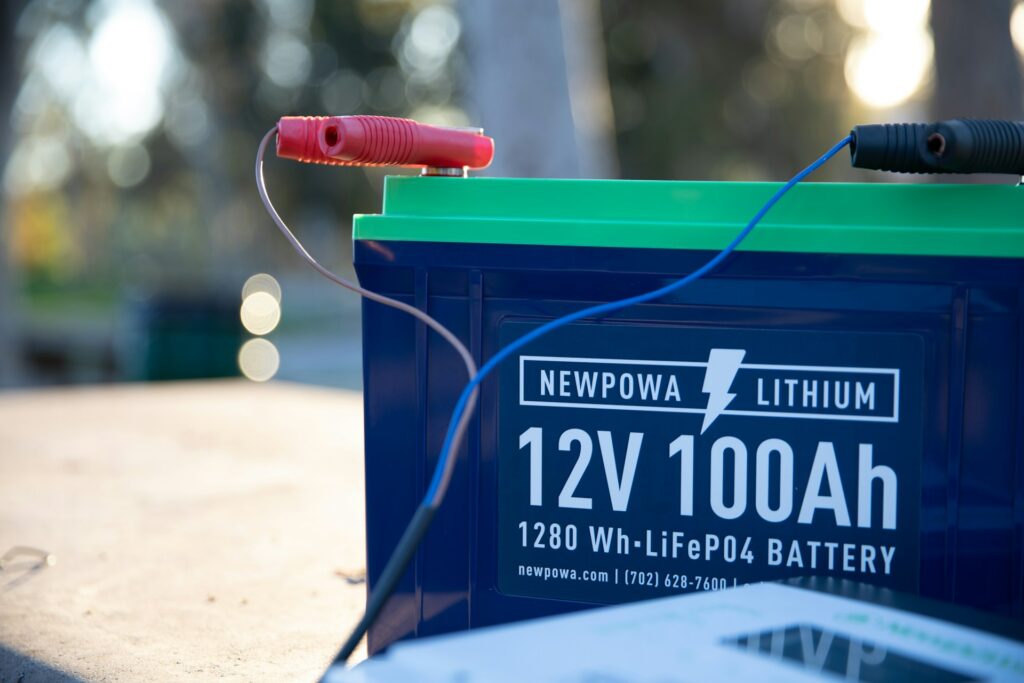
The shift to clean energy relies on batteries. We need them for electric cars and renewable energy storage. However, batteries do not last forever. When they reach the end of their life, we face a big challenge. We must recycle them to recover valuable elements like lithium, cobalt, nickel, and copper.
The European Union recognises this urgent need. The new EU Battery Regulation mandates strict recycling targets. It also introduces the Digital Battery Passport. This policy ensures batteries remain sustainable throughout their entire life cycle. It forces industries to use secondary materials in new products.
Finding the right buyer for recycled battery materials is difficult. First, recyclers often struggle to connect with manufacturers who need specific secondary materials. Furthermore, the market is fragmented. Trust and compliance are also major hurdles.
This is where the APT Platform steps in. We build AI-powered tools exclusively for circularity companies. Specifically, our industrial circularity intelligence software connects the dots. The APT Matching Module automates B2B material exchanges across European recycling networks. As a result, our digital tools make secondary raw materials traceable and easy to trade.
Let us look at three realistic examples of how the APT Platform helps find circular applications for battery waste.
Black mass is a mixture of valuable metals recovered from shredded batteries. It contains high amounts of lithium and cobalt. For instance, imagine a fictional recycling plant in Germany that produces tons of black mass every month. They need a buyer who can extract these metals efficiently.
Consequently, the APT Platform steps in to help. Our AI engine analyses the chemical composition data provided by the recycler. Then, the platform matches this data with a hydrometallurgical refiner in Belgium. This refiner specifically needs that exact material composition. Ultimately, the transaction happens automatically on our platform, and the valuable metals are reused to build brand-new batteries.
Batteries are not just made of metal. They may also have heavy-duty plastic casings. When a battery is crushed, this plastic often ends up in landfills or incinerators. Take a fictional battery dismantler in France that wants to sell this plastic scrap.
First, our system registers the polymer structure of the recycled plastic. Next, the APT Matching Module finds an automotive parts manufacturer in Italy. This manufacturer is looking for durable, recycled polymers to make car bumpers. To make the deal work, the APT Platform generates a Digital Material Passport (DMP). This passport proves the molecular origin and quality of the plastic. Therefore, the manufacturer buys with confidence, and the plastic stays in the economy.
Battery cells contain copper and aluminium foils. These metals are highly valuable, but they get mixed up during the shredding process. For example, a recycling facility in Poland sorts these foils but struggles to prove their purity to buyers.
By using our visual AI engine for scrap tracking, the facility can verify the quality of the sorted metal. The APT Platform logs this data and connects the facility with a copper alloy foundry in Sweden. The foundry needs high-quality secondary copper. Moreover, our platform automates the complex cross-border transport documents. We ensure full compliance with the Electronic Freight Transport Information (eFTI) framework. In the end, the copper finds a new home in industrial manufacturing.
Recycling batteries is only the first step. The real success of a circular economy depends on finding applications for those recycled materials. Therefore, we must build reliable bridges between waste producers and manufacturers. We are developing the APT Platform with the single goal of being that bridge.
The European Union is setting strict rules for battery circularity through the EU Battery Regulation. Soon, manufacturers must meet mandatory minimum recycled-content targets for critical metals such as lithium, cobalt, and nickel. Furthermore, by 2027, every industrial and electric vehicle battery will require a Digital Battery Passport to trace its entire life cycle. Navigating these new rules, along with complex cross-border waste transfer laws like DIWASS and the Electronic Freight Transport Information (eFTI) framework, can easily overwhelm businesses. Fortunately, the APT Platform provides the technology to simplify compliance. Our AI-driven tools remove friction from B2B deals across the battery supply chain. Specifically, our software automatically generates a Digital Material Passport (DMP) for your secondary materials. We also integrate all mandatory regulatory workflows directly into your trades. By automating both matching and compliance, we help your recycled materials find their next life legally and profitably.
Are you ready to simplify your circularity operations and connect with verified European buyers? Visit the APT Platform and its marketplace today to explore our software, or contact our team to schedule a personalised demo of the APT Matching Module.