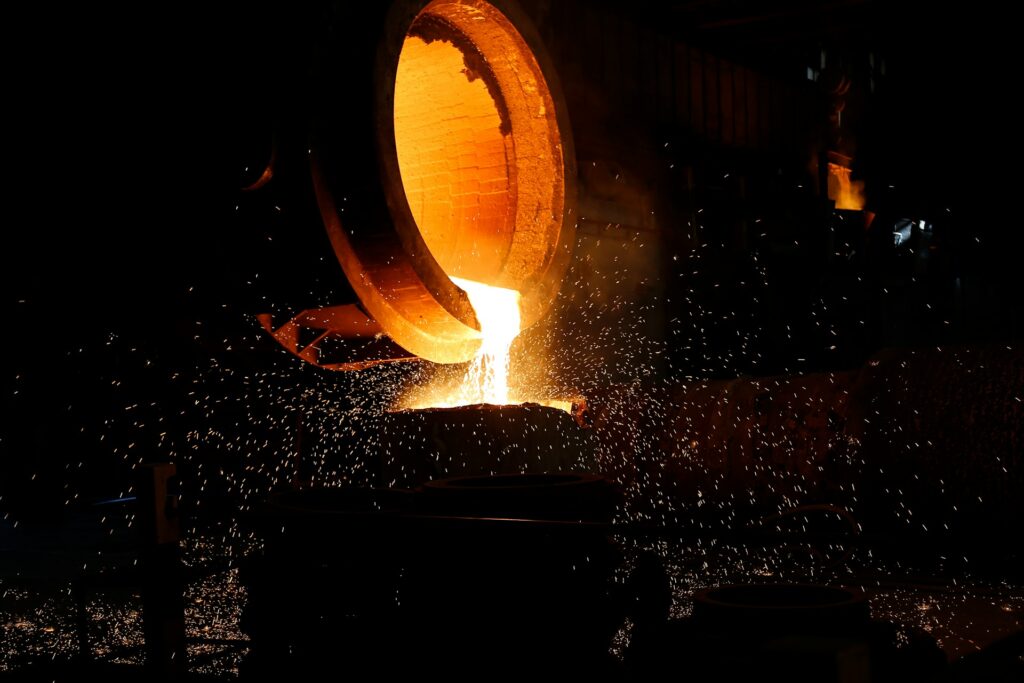
Heavy industry is undergoing a massive and necessary transformation. The traditional linear model of extracting resources, manufacturing products, and discarding them into landfills no longer works. Modern manufacturers face rising raw material costs. They also face strictly enforced environmental regulations. Cast iron remains one of the most widely used industrial materials on the planet. It is also fundamentally one of the most recyclable. However, turning raw cast iron scrap into high-value secondary materials is a complex engineering challenge. It requires precise material sorting, deep metallurgical understanding, and highly transparent data tracking.
We need more than just good intentions to build a functioning circular ecosystem. We need robust digital infrastructure. Scrap metal does not naturally organize itself into neat, usable categories. It requires advanced industrial process engineering and incredibly smart logistics. This is exactly where modern technology steps in to bridge the gap between waste generation and material reuse. By leveraging platforms designed for industrial waste circularity, manufacturing companies can turn complex scrap streams into reliable, profitable supply chains.
Understanding the circular economy policies shaping our industry is the first vital step. The next step is applying those policies to real-world manufacturing environments using the right digital tools.
To understand the applications of secondary cast iron, we must first look closely at its physical properties. Cast iron is not a single, uniform material. It is a broad family of iron and carbon alloys. These alloys typically contain more than two percent carbon. They also contain varying levels of crucial elements like silicon, manganese, sulfur, and phosphorus.
The two most common types found in industrial scrap yards are gray cast iron and ductile cast iron. Gray iron is famous for its excellent machinability and vibration damping properties. Ductile iron contains nodular graphite. This unique microscopic structure gives ductile iron much higher tensile strength and flexibility.
When a recycling facility processes cast iron, mixing these different grades creates a massive metallurgical problem. If a batch of ductile iron scrap is heavily contaminated with high-sulfur gray iron, the resulting melt will fail basic structural tests. The new product will become brittle and unsafe. Furthermore, tramp elements like copper, tin, and chromium can build up in the recycled metal over time. These trace elements drastically alter the cooling and solidification process in the foundry.
Therefore, the value of recycled cast iron depends entirely on the purity and the known chemical composition of the scrap batch. In the past, foundries relied on manual sorting and basic visual inspection. Today, the demands of high-tech manufacturing require absolute certainty. Foundries need to know the exact metallurgical history of the scrap they purchase before they melt it down.
When foundries possess this data, they can confidently use secondary materials without compromising product safety. Manufacturers can then achieve true process optimisation by reducing their reliance on expensive, carbon-intensive primary pig iron.
When properly sorted and processed, recycled cast iron scrap serves as the critical backbone for countless industrial applications. The material retains its core mechanical properties through multiple melting cycles. This incredible durability makes it a perfect candidate for heavy-duty secondary applications across multiple sectors.
The automotive industry is a massive consumer of recycled cast iron. Engine blocks, cylinder heads, and brake rotors are frequently cast using a very high percentage of secondary materials. Brake rotors, in particular, benefit immensely from the thermal conductivity and vibration damping properties of recycled gray iron. High-quality recycled ductile iron is also essential for manufacturing steering knuckles and heavy-duty suspension linkages.
The renewable energy sector relies heavily on cast iron. The massive hubs and base frames of modern wind turbines are cast from high-strength ductile iron. These components weigh several tons and must withstand extreme mechanical stress for decades. Foundries producing these hubs are increasingly turning to highly graded, sorted cast iron scrap to lower the immense carbon footprint of wind turbine manufacturing.
Heavy machinery requires massive amounts of counterweight to remain stable during operation. Tractors, excavators, and towering construction cranes rely on dense metal blocks to balance heavy loads. Recycled cast iron is the ideal material for these massive counterweights. The structural requirements for counterweights are slightly more forgiving than those for engine parts. This allows machinery manufacturers to use mixed or lower-grade cast iron scrap safely and cost-effectively.
Cities quite literally run on cast iron. Manhole covers, storm drain grates, and large water pipe fittings are almost exclusively made from this material. These municipal castings require exceptional durability to withstand decades of heavy traffic and severe weather. Recycled cast iron provides the exact wear resistance needed for these demanding urban applications.
The European Union is aggressively pushing heavy industry toward a circular economic model. The European Green Deal and the Circular Economy Action Plan set strict targets for material recovery. For the metals sector, this means a fundamental shift in how scrap is tracked, traded, and transported across borders.
One of the most critical regulatory developments is the introduction of the Digital Product Passport under the Ecodesign for Sustainable Products Regulation. The EU wants every industrial product to carry a secure digital record of its material origins. For the scrap metal industry, this translates directly into the need for a comprehensive Digital Material Passport.
A Digital Material Passport provides a verifiable, unalterable ledger of the scrap batch. It records the specific chemical composition, the exact origin of the waste, and the carbon footprint generated during the recycling process. Foundries and manufacturers cannot simply claim they use recycled materials anymore. They must definitively prove it. The EU requires rigorous documentation to prevent environmental greenwashing and to ensure material safety standards are met.
Furthermore, moving scrap metal across European borders requires strict adherence to new waste transport regulations. The regulatory framework tightly dictates how industrial waste must be classified and reported during transit. Manual paperwork and spreadsheets are no longer sufficient. Errors in cross-border transport documentation regularly lead to heavy financial fines and massive shipping delays.
Companies must adopt automated systems to stay fully compliant with complex European circular policy guidelines. These regulations are not meant to punish manufacturers. They are strategically designed to create a transparent, high-quality internal market for secondary raw materials. When buyers trust the quality of the scrap, they are willing to pay fair, consistent prices.
The rapid transition to a circular cast iron economy is impossible without advanced digital tools. The APT Platform provides the exact technical infrastructure needed to automate and optimize these highly complex material flows.
Identifying and sorting scrap metal has traditionally been a slow, manual, and error-prone process. The APT Platform completely changes this dynamic by integrating cutting-edge AI into the daily material recovery workflow. We utilize highly advanced computer vision applications for industrial material identification.
Our camera systems apply semantic segmentation to visually separate different types of metal in a mixed, unstructured pile. Vision transformers and optical character recognition software work together to read part numbers, manufacturer stamps, and metallurgical codes directly from the physical scrap. The system works accurately even when the metal is covered in rust, dirt, or industrial grease. This rich visual data is immediately translated into structured digital information.
Once the artificial intelligence identifies the physical properties of the scrap, the platform automatically generates a precise Digital Material Passport. This secure digital document stays with the material as it moves from the demolition site to the processing yard, and finally to the foundry. The foundry receives a verified, AI-backed guarantee of exactly what they are buying.
This level of intelligent automation eliminates the historical guesswork from scrap trading. It allows buyers to specify the exact metallurgical tolerances they need. It also allows scrap sellers to prove the high value of their processed materials. The platform successfully creates a seamless digital bridge between the messy physical reality of a scrap yard and the strict data requirements of modern manufacturing.
To truly understand the operational impact of the APT Platform, we must look at how it functions in real-world industrial (fictional) scenarios. Here are three detailed examples of how our technology helps recycled cast iron scrap find permanent circular applications.
A large automotive foundry located in Germany produces high-performance brake calipers and heavy-duty suspension components. These critical safety parts require premium ductile cast iron. Historically, the foundry struggled to source consistent secondary materials. They frequently received scrap batches contaminated with high-phosphorus gray iron. This contamination caused unacceptable brittleness in their final automotive castings, leading to high rejection rates.
The foundry joined the APT Platform to permanently solve this sourcing crisis. They used our advanced matching module to connect directly with specialized vehicle dismantling facilities across Europe. When a dismantling facility processed end-of-life vehicles, they used APT’s computer vision tools to scan the dismantled engine blocks and suspension arms. The AI instantly identified the specific vehicle origin and the exact material grade of the parts based on visual characteristics and recognized part numbers.
The platform then generated a fully compliant Digital Material Passport for the sorted ductile iron. The German foundry purchased the batch with complete metallurgical confidence. The automated system perfectly matched their strict chemical requirements with the supplier’s verified inventory. As a result, the foundry reduced its primary pig iron consumption by thirty percent while maintaining perfect quality control.
A large manufacturing company in Italy specializes in producing heavy-duty manhole covers and drainage grates for municipal infrastructure projects. They proudly use one hundred percent recycled gray iron. They primarily source their scrap from various construction demolition sites located in France and Austria.
While finding the raw scrap was relatively easy, managing the cross-border logistics was a constant administrative nightmare. The company frequently faced costly delays at border customs due to incorrect or missing waste transport documentation. The strict EU regulations for moving industrial waste were simply too complex for their manual administrative team to handle efficiently.
They implemented the APT Platform to completely streamline their supply chain logistics. As soon as a verified scrap batch was loaded onto a transport truck in France, the APT AI tools automatically generated the required automated waste transport documentation. The system pulled the necessary chemical and origin data directly from the Digital Material Passport. It then automatically formatted the paperwork to meet all specific European Union cross-border waste shipment regulations.
The Italian manufacturer eliminated customs delays entirely. Their administrative overhead dropped significantly. This digital transition allowed them to focus their resources on foundry production rather than fighting endless paperwork. They successfully secured a steady, legally compliant flow of secondary gray iron to fulfill their large municipal contracts.
A global tractor manufacturer wanted to aggressively improve the sustainability profile of their agricultural machinery. They decided to significantly increase the recycled content in their heavy tractor counterweights. Because counterweights do not require the extreme tensile strength of engine components, they could safely utilize lower-grade, mixed cast iron scrap.
However, the manufacturer still needed to meet very specific weight, volume, and density tolerances. Buying random, unverified scrap often led to inconsistent melt densities on the factory floor. They desperately needed a way to blend different scrap streams efficiently without compromising the final product weight.
Using the APT Platform, the tractor manufacturer accessed a wide network of regional suppliers offering various grades of cast iron. They utilized our sophisticated optimisation software to calculate the absolute perfect blending ratio. The software analyzed the chemical compositions detailed in the Digital Material Passports of several available scrap batches simultaneously. It then recommended a specific purchasing mix that would achieve the exact required density at the lowest possible raw material cost.
The manufacturer achieved their ambitious corporate sustainability targets well ahead of schedule. They successfully created a highly efficient, profitable circular loop for lower-grade cast iron that would have otherwise likely ended up in a landfill.
The future of global industrial manufacturing relies entirely on our collective ability to reuse existing materials efficiently. Cast iron is essentially infinitely recyclable. Unlocking its full potential, however, requires a thoroughly modern approach. We can no longer rely on outdated physical sorting methods and highly inefficient paper-based logistics.
The deep integration of advanced materials engineering and intelligent digital platforms is the absolute key to true sustainability. By adopting intelligent systems, manufacturers can turn waste management from a burdensome cost center into a strategic competitive advantage.
This vital industry transition is already happening right now. Forward-thinking foundries, scrap processors, and heavy manufacturers are actively building highly connected, transparent supply chains. They are proving every single day that environmental responsibility and industrial profitability go hand in hand.
If your organization is ready to modernize its material sourcing and officially join the circular economy, explore our advanced matching tools today. The tools you need to build a resilient, compliant, and profitable supply chain are already here.