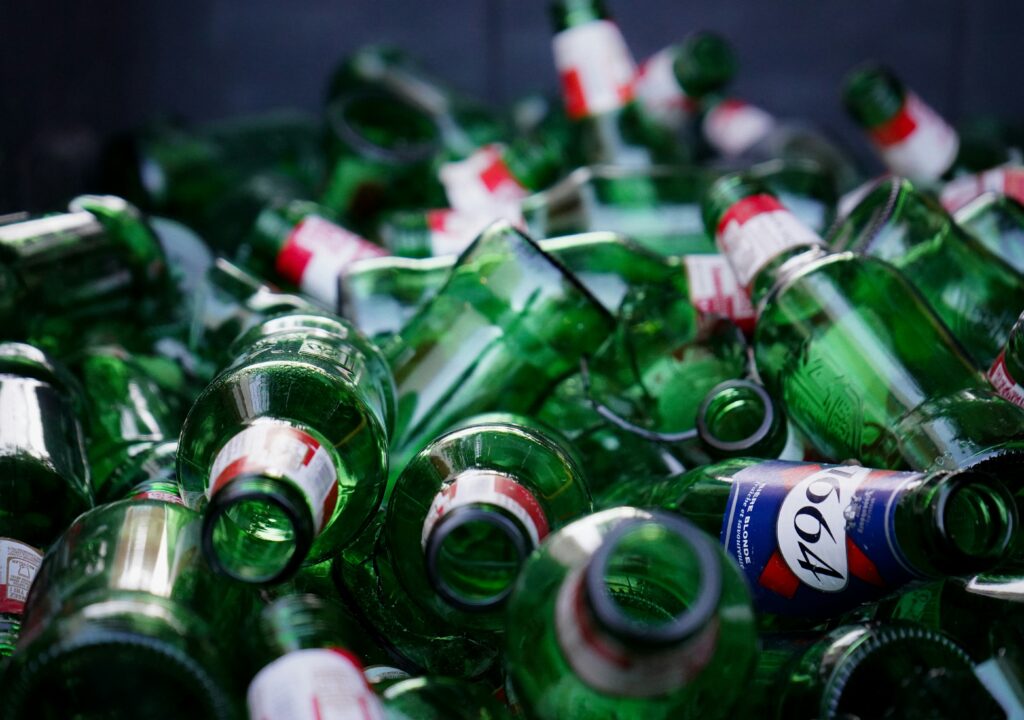
Glass is a remarkable material. You can recycle it endlessly. It never loses its quality or purity. This makes glass a perfect candidate for the circular economy. However, recycling glass is not always simple. It requires careful sorting, smart logistics, and compliance with strict rules.
Today, industries are finding new ways to use secondary materials. These materials come from recycled glass scrap. This shift reduces carbon emissions. It also saves raw materials like sand and limestone.
In this complete guide, we will explore the world of glass recycling. We will look at the different types of glass scrap. We will discuss the best applications for these secondary materials. We will also review the latest European Union rules on glass circularity. Finally, we will show you how our advanced artificial intelligence tools at the APT Platform help businesses succeed in this market.
Not all glass is the same. Different industries produce different types of glass scrap. You must sort these types correctly. Mixing different types can ruin the recycling process. Here are the main categories of glass scrap.
This is the most common type of glass scrap. It comes from bottles and jars used for food and drinks. Container glass is usually clear, green, or amber. Recyclers must separate these colors. Clear glass is highly valuable. Green and amber glass are also useful but have different chemical mixes.
Flat glass comes from windows, doors, and automotive windshields. The construction industry produces a lot of this scrap during building demolitions. Flat glass has a different melting point than container glass. Therefore, you cannot mix flat glass with container glass in a furnace.
Specialty glass includes things like ovenware, laboratory glass, and light bulbs. These items often contain chemicals that make them heat resistant. Fiberglass is used in insulation and boat building. These types of glass are harder to recycle. They require special industrial processes.
Sorting these materials used to be difficult. Today, technology makes it easier. You can use our AI-powered sorting and analysis tools to classify glass scrap accurately.
The European Union wants to create a fully circular economy. Glass plays a big role in this plan. The EU has created strict rules to reduce waste. These rules force companies to use more secondary materials.
The Waste Framework Directive is a core piece of EU law. It sets basic waste management concepts. The WFD focuses on the “waste hierarchy”. This means prevention is the best option. Recycling is the next best option. Throwing glass in a landfill is the worst option.
The EU recently updated the Packaging and Packaging Waste Regulation. This rule sets high targets for recycling. By 2030, EU member states must recycle at least 75 percent of glass packaging. This rule creates a huge demand for recycled glass scrap. Companies must find reliable sources of secondary glass to meet these targets.
The EU also defines when waste stops being waste. This is called the “end-of-waste” criteria. When glass scrap is processed correctly, it becomes a secondary raw material. It is no longer legally considered waste. This makes it easier to transport and sell.
Staying compliant with these rules can be hard. The rules change often. You can stay updated and ensure your business meets these standards by using our circular policy compliance tools.
Recycled glass scrap is called “cullet” in the industry. Cullet is incredibly versatile. It melts at a lower temperature than raw sand. This saves a massive amount of energy for manufacturers. Here are the most innovative applications of secondary glass materials.
The most traditional use for glass cullet is making new bottles and jars. A new glass bottle can contain up to 90 percent recycled glass. This closed-loop system is highly efficient. It keeps materials in use for decades.
Window manufacturers are using more recycled flat glass. Making new flat glass requires very pure scrap. Even a small amount of contamination can ruin a large batch of windows. Therefore, strict quality control is essential.
The construction sector uses a lot of recycled glass. You can grind glass scrap into a fine powder. This powder can replace some of the cement in concrete. This makes the concrete stronger. It also lowers the carbon footprint of the building. Another application is “glassphalt”. This is an asphalt mix that includes crushed glass. It makes roads safer and more reflective.
Foam glass is a lightweight, gravel-like material. It is made by heating crushed glass with a foaming agent. The result is a strong, insulating material. Engineers use foam glass under roads and railways. It prevents the ground from freezing and shifting.
Crushed glass is a great alternative to sand for water filtration. It filters water more efficiently than sand. It also stays clean longer. Furthermore, crushed glass is used as an abrasive material for sandblasting. It is safer for workers because it does not produce toxic silica dust.
To find the best buyers for these specific applications, companies use our intelligent matching module. This tool connects sellers of glass scrap with buyers who need exact specifications.
Managing recycled glass scrap involves a lot of data. You need to know the origin, color, and purity of the glass. The APT Platform B.V. provides specialized software to handle this data. We build AI-powered tools strictly for circularity companies. We do not focus on maintenance. We focus completely on digital material tracking and circular supply chains.
Every batch of recycled glass needs documentation. Buyers need proof of the material’s quality. You can create this proof easily with a Digital Material Passport. This passport stores all the technical data about the glass scrap. It shows the chemical makeup and the carbon footprint. This builds trust between buyers and sellers.
Recycling plants use a lot of energy. Sorting glass efficiently is critical. Our software helps facilities run better. By using our process optimisation tools, plant managers can reduce energy use. They can predict how much glass they will process each week. This saves money and time.
Finding the right partner is the hardest part of the circular economy. A company with green glass cullet needs a buyer who makes green bottles. Our platform solves this problem. We use advanced AI algorithms to analyze the market. Then, our matching module automatically connects the supplier with the perfect buyer.
As we mentioned earlier, EU rules are strict. Our tools help you generate the exact reports the EU requires. You can easily prove your compliance with EU recycling targets using our circular policy software.
To understand how the APT Platform works in the real world, let us look at three realistic stories. These stories show how companies use our tools to improve glass recycling.
A company specializes in collecting old windows from demolished buildings. In the past, they struggled to sell this flat glass scrap. The glass often had bits of frame or putty attached. Buyers were afraid of contamination.
The company decided to use the APT Platform. First, they used our Digital Material Passport (DMP) system. They logged the exact origin and purity levels of every batch after cleaning. Next, they entered this data into the matching module. The system immediately found a major window manufacturer looking for high-quality flat glass cullet. Because the DMP proved the purity, the manufacturer bought the scrap at a premium price. The company increased its profits and kept tons of glass out of the landfill.
A company runs a local recycling facility. They collect mixed container glass from city recycling bins. Their energy costs were rising. Their sorting machines were not running efficiently.
They implemented our process optimisation tools to solve this. The software analyzed their daily data. It showed them the best times to run their heavy crushers based on energy prices. It also used artificial intelligence to predict the volume of glass arriving each day. This allowed them to schedule their staff better. Their energy costs dropped by 15 percent in three months.
A company produces sustainable building materials. They wanted to create a new concrete mix using finely ground glass powder. However, they needed a steady, reliable supply of specific glass scrap. They also needed to prove to their clients that their concrete met EU green building standards.
They turned to the APT Platform for help. They used the matching system to set up long-term contracts with three different glass recyclers. To prove their environmental claims, they used our circular policy tools. The software automatically calculated the carbon emissions saved by using glass instead of cement. They printed these reports directly from the platform. Their new eco-concrete became a top seller in the region.
Recycled glass scrap is a vital resource. It saves energy, reduces mining, and lowers carbon emissions. From new bottles to eco-friendly concrete, the applications are endless. The European Union will continue to push for higher recycling rates. Companies must adapt to these new rules.
The transition to a circular economy requires smart technology. You cannot manage modern recycling with spreadsheets alone. The APT Platform provides the exact tools you need. Whether you need a Digital Material Passport or advanced AI matching, we can help. Embrace the future of secondary materials today.