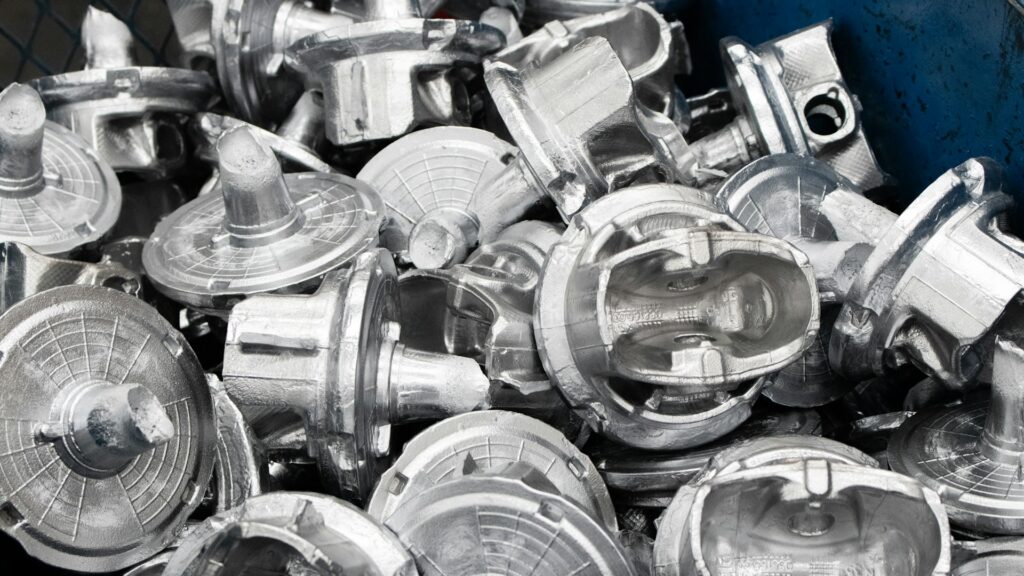
Aluminium is a wonder material. It is lightweight, strong, and highly conductive. Above all, it is infinitely recyclable. When we recycle aluminium, it keeps all its original physical properties. This makes recycled cast aluminium scrap a highly valuable resource for modern manufacturing. We do not need to mine new bauxite ore to get high-quality metal. We just need to reuse what we already have in our supply chains.
Recycling cast aluminium saves up to 95 percent of the energy required to produce primary virgin aluminium. This massive energy saving translates directly to a huge drop in carbon emissions. The industrial world is rapidly waking up to this reality. Foundries, manufacturers, and scrap yards are actively looking for better ways to sort and reuse this metal.
However, recycling cast aluminium is not a simple process. Scrap metal comes in many shapes, sizes, and chemical alloy grades. If a facility mixes different alloys together, the final melted product loses quality. The industry calls this negative process downcycling. To prevent downcycling, the recycling industry needs smart sorting. Businesses need accurate data tracking. They need advanced digital technology to secure the value of their materials.
In this post, we will explore the best applications for secondary materials made from cast aluminium scrap. We will look at the strict European Union rules driving this industrial shift. Finally, we will show you how AI and automation solve the biggest recycling challenges. You can discover more about our intelligent tools at the APT Platform AI solutions page.
Before we look at the applications, we must first understand the material itself. Aluminium comes in two main categories in the industrial world. These are wrought aluminium and cast aluminium. Factories roll or extrude wrought aluminium into flat shapes and tubes. Foundries melt cast aluminium and pour it into complex molds.
To make the melted metal flow easily into these molds, foundries add other elements to the mix. They frequently blend aluminium with silicon, copper, or magnesium. This creates specific cast alloys. These alloys are very hard and highly resistant to wear.
However, these added elements make the recycling process complicated. If you melt cast aluminium scrap together with wrought aluminium scrap, you ruin the chemical balance. The resulting metal will be brittle and useless for high-performance applications. Strict separation is absolutely critical. You must identify and separate the cast scrap from the rest. This requires high-level precision that human eyes simply cannot achieve.
The European Union is aggressively leading the global push for a circular economy. The EU wants to stop industrial waste. It wants to keep valuable materials in active use for as long as possible. Cast aluminium scrap plays a central role in this mission.
The European Green Deal aims to make Europe entirely climate-neutral by 2050. The Circular Economy Action Plan is a core pillar of this deal. This plan targets resource-intensive sectors like electronics, vehicles, and packaging. It forces manufacturers to design products for easy recycling. When a car reaches the end of its functional life, the cast aluminium engine block must be easy to recover and melt down.
Aluminium is a strategic material for the European economy. The Critical Raw Materials Act ensures Europe has a secure supply of essential metals. By boosting the recycling of cast aluminium scrap, Europe dramatically reduces its reliance on foreign imports. The Act encourages local scrap processing and better regional waste management networks.
The EU Waste Framework Directive sets clear, strict rules for recycling operations. It defines exactly when scrap metal ceases to be waste and officially becomes a valuable secondary raw material. Meeting these specific “end-of-waste” criteria requires exact documentation. Companies must mathematically prove the purity and origin of their recycled aluminium. You can read more about navigating these complex rules in our circular policy guidelines.
Another major EU policy driving this market is Extended Producer Responsibility. EPR rules force manufacturers to take full responsibility for their products at the end of their lifecycle. If a company builds a machine, they are financially responsible for recycling that machine later. EPR schemes push manufacturers to design products that are easy to dismantle. This guarantees a permanent market for cast aluminium scrap.
Secondary cast aluminium is highly versatile. Because modern sorting technologies are constantly improving, recycled alloys now match the quality of virgin metals. Here are the main industries relying heavily on these recycled secondary materials today.
The automotive sector is the biggest global consumer of cast aluminium. Modern cars need to be light to save fuel and increase electric battery range. Recycled cast aluminium is perfect for this task.
Manufacturers use secondary aluminium to cast heavy engine blocks, cylinder heads, and gearboxes. They also use it for critical structural parts like suspension arms. Electric vehicles use large cast aluminium battery enclosures to protect sensitive power cells. By using recycled scrap, car brands meet their strict EU sustainability targets.
The construction industry uses massive amounts of structural metal every day. Recycled cast aluminium is highly resistant to natural corrosion. This makes it ideal for long-lasting outdoor building materials.
Builders use secondary aluminium for heavy window frames, door panels, and decorative building facades. It is also very common in roof structures and solar panel mounts. Green building certifications like LEED reward property developers for using recycled materials. This creates huge, consistent demand for high-quality aluminium scrap in construction.
Look at your laptop or smartphone right now. There is a high chance the outer casing is made from recycled aluminium. Global tech companies are actively trying to reduce their massive environmental impact.
Factories use recycled cast aluminium in laptop bodies, tablet frames, and smartphone chassis. It provides a premium, cold metallic feel while keeping the device light. Household appliances like washing machines and refrigerators also use cast aluminium parts for their internal motors.
Heavy industrial machines require strong and heat-resistant internal components. Recycled aluminium alloys offer excellent thermal conductivity for these stressful environments.
Factories use secondary aluminium for pump housings, valve bodies, and hydraulic cylinders. Because industrial machines do not always need cosmetic perfection, they can safely use a wider variety of recycled scrap grades.
Knowing the applications is only half the battle for the industry. The real operational challenge is connecting the scrap yard to the final manufacturer. Scrap metal must be sorted accurately, verified legally, and matched to the right buyer. This is where APT Platform steps in.
We build AI-powered software tools specifically for circularity companies. We do not focus on general facility maintenance. We focus purely on making the circular economy work through accurate data and intelligent automation. Our software helps companies sort cast aluminium scrap properly, document its exact history, and find the perfect buyer.
For example, identifying different aluminium alloys by eye on a fast conveyor belt is impossible. You need smart technology. Our AI material identification tools use advanced computer vision to classify different types of moving scrap. This prevents cross-contamination and preserves the financial value of the metal.
Once the scrap is safely sorted, it needs legal documentation. Buyers need to know the exact chemical composition of the recycled metal they are purchasing. The APT Digital Material Passport (DMP) creates a secure digital record for every single batch of scrap. This passport travels with the material along the entire supply chain.
Finally, sellers need to find reliable buyers. Our smart matching algorithms connect scrap producers with manufacturers who need that exact alloy grade. This eliminates wasted time and maximizes profits for both sides of the transaction.
To truly understand the power of our tools, let us look at three realistic scenarios. These use cases clearly show how APT Platform solves daily problems for companies working with cast aluminium scrap.
The Problem: A company supplies aluminium window frames to the European construction industry. They want to switch to 100 percent recycled cast aluminium. This switch will help their clients win green building certifications. However, the EU regulations are very strict. The company must legally prove the origin and purity of the recycled scrap. If they cannot provide this data, they cannot sell their frames as verified green products.
The Solution: The company now requires all their scrap suppliers to use the APT Digital Material Passport (DMP). Every batch of recycled cast aluminium scrap now comes with a verified digital file. This file contains the alloy composition, the sorting method used, and the estimated carbon footprint data.
When the company melts the scrap to make window frames, they update the Digital Material Passport. They use the platform to generate legal compliance reports instantly. This ensures they always meet the latest EU circular policy standards.
The Result: The company completely removes slow manual paperwork from their compliance process. They can instantly prove the green credentials of their window frames to any auditor. As a result, they win major supply contracts for new eco-friendly office buildings across Europe.
The Problem: A mid-sized smelting facility in Italy buys cast aluminium scrap, melt it down, and produce secondary aluminium ingots. Their biggest daily challenge is transport and logistics. Scrap arrives from dozens of different yards in completely unpredictable quantities. Sometimes they have too much scrap and no safe storage space. Other times, the expensive furnaces sit empty. Their chaotic transport costs are destroying their profit margins.
The Solution: The company adopts the APT platform optimisation module. This smart tool uses machine learning to accurately predict scrap supply trends in their region. It connects directly with the inventory systems of their partner scrap yards.
The software automatically schedules transport trucks only when a full load is ready for pickup. It also routes the trucks using the most fuel-efficient map paths. Furthermore, the optimisation tools constantly adjust the daily furnace schedules based on the incoming scrap deliveries.
The Result: The company reduces their monthly transport costs by 20 percent. Their furnaces now run at maximum efficiency because there are zero supply gaps. By optimizing their logistics, they lower the overall carbon footprint of their secondary aluminium ingots. This makes their final product much more attractive to eco-conscious buyers.
The old days of mining, using, and simply throwing away metals are completely over. The future belongs entirely to the circular economy. Cast aluminium scrap is no longer just dirty waste. It is a vital, high-value resource for the automotive, construction, and electronics industries.
The European Union will continue to introduce stricter environmental regulations. Companies that adapt to these rules now will thrive in the new market. Companies that ignore the changes will rapidly fall behind their competitors. You must track your materials, sort them accurately, and report your operational data clearly.
Manual sorting and paper spreadsheets are no longer enough to survive. You need intelligent software. You need modern automation. APT Platform provides the exact digital tools you need to succeed in this new industrial landscape. We help you turn complex waste streams into highly profitable, fully traceable supply chains.
Are you ready to upgrade your metal recycling operations today? Do you want to maximize the true financial value of your cast aluminium scrap? Contact our dedicated team to get started. Let us show you how advanced AI and secure Digital Material Passports can totally transform your circular business.